 EASEL
EASELHow we chose the looks
A catalogue is only useful if you can find the look you want in it. Most of the ideas we had did not survive that sentence.
The catalogue sits in eleven categories: Portrait, Places, Art, Cartoon, Toys, Eras, Makeover, Fun, Seasonal, Film and Restore. They exist because a flat list of that many names is unusable — you scroll it once, give up, and tap whichever one you happened to stop on.
The rule for getting in
A look earns its place only if you can tell it from its neighbours before you pay for either. That sounds obvious and it removed a lot of candidates. "Oil painting" and "classical oil portrait" are different ideas to whoever wrote them and the same picture to everyone else.
It is also why every look carries a blurb of three or four words under its name — Simple grey background, In a bright office. The blurb is there so the difference between two neighbouring looks is legible at a glance.
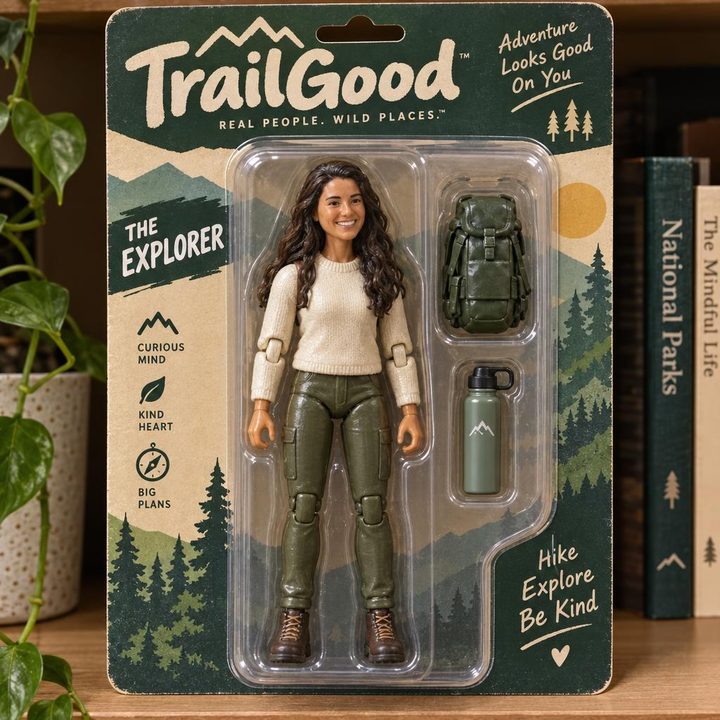
Looks that need a person
Most looks restyle whatever is in front of them and work as well on a dog, a street or a plate of food. A few are meaningless without a person: they either work on the face itself, or they keep the people and replace everything around them.
Those ones are marked, and the app hides them when it does not find a face, rather than offering to put a sandwich on the Moon. The flag is deliberately narrow: over-apply it and the catalogue collapses to a handful of looks every time somebody photographs their lunch.
Every example is real
Each look in the app shows a sample before you choose it, and every one of those samples is Easel's own output, made the same way yours will be. They are all the same person, so comparing two looks is a fair test. None of them is stock art and none has been retouched afterwards.
The same set is on the looks page here, every one of them, filterable by category.
It can change without an app update
The catalogue lives on the server rather than inside the app, so a look can be added, retired or improved without waiting on a release. When the prompt behind a look changes in a way that alters the output, its version is bumped, so the next tap makes the picture again rather than handing you the old one from the cache.